
Advantages and Disadvantages of Social Networks
By Deven, founder of AroundMe · March 1, 2024 · 2 min read · Social Networking · Professional Networking
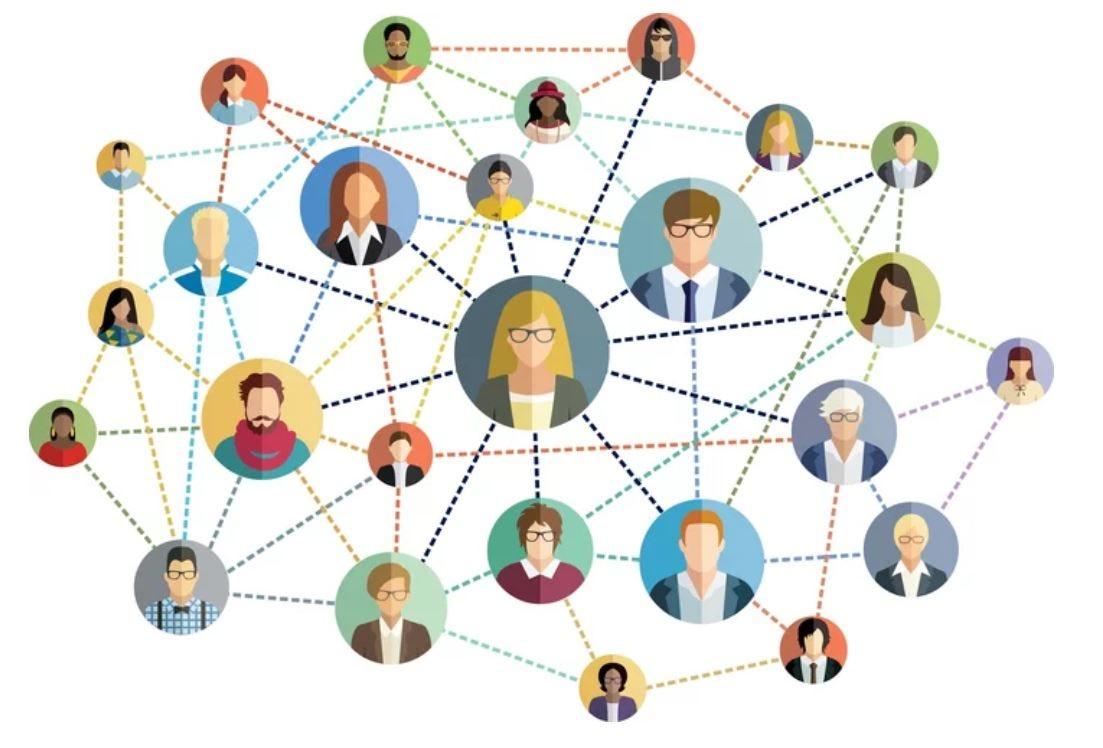
In the fast-paced realm of the internet, social networks have become an integral part of our daily lives. From reconnecting with old friends to discovering new opportunities, these platforms offer a myriad of benefits.
However, like any double-edged sword, they also come with their fair share of drawbacks. In this comprehensive exploration, we'll delve into the advantages and disadvantages of social networks, shedding light on the nuances that define our digital interactions.
Advantages
In the dynamic landscape of the internet, social networks have emerged as powerful tools, offering a plethora of advantages that shape our digital interactions.
1. Seamless Connectivity
One of the primary advantages of social networks is the ability to connect with individuals worldwide. Breaking through geographical barriers, these platforms facilitate seamless communication, allowing users to stay in touch with friends and family irrespective of their location.
2. Information Accessibility
Social networks serve as information hubs, providing users with a constant stream of news, trends, and updates. This accessibility fosters a culture of continuous learning, ensuring users are well-informed about global events, industry developments, and the latest happenings.
3. Business Opportunities
For businesses and entrepreneurs, social networks offer unparalleled opportunities for marketing and brand promotion.
With a vast user base, these platforms become valuable marketing channels, enabling businesses to connect with their target audience and enhance visibility.
4. Community Building
Social networks facilitate the creation and nurturing of communities based on shared interests.
Whether it's a hobby, cause, or profession, users can find like-minded individuals, fostering a sense of belonging and camaraderie.
5. Real-Time Communication
Enabling real-time communication, social networks break down barriers of time and space.
Users can connect with friends across continents, participate in global conversations, and experience a sense of immediacy in their interactions.
Disadvantages
While social networks offer numerous benefits, they are not without their drawbacks. Understanding these disadvantages is crucial for users to navigate the digital landscape mindfully.
1. Privacy Concerns
Amidst the connectivity euphoria, the issue of privacy often looms large. Social networks raise questions about the security of personal data, requiring users to navigate a delicate balance between sharing information and safeguarding their privacy.
2. Digital Addiction
The convenience of social networks can transform into a digital quagmire, leading to excessive usage and addictive behaviors.
This may result in decreased productivity, disrupted sleep patterns, and adverse impacts on mental well-being.
3. Cyberbullying and Harassment
The anonymity afforded by social networks opens the door to cyberbullying and harassment. Users shielded by the virtual curtain may engage in harmful behaviors, impacting the mental health of those targeted.
4. Information Overload
With the constant influx of information, users may find themselves overwhelmed, struggling to discern valuable content from noise. The sheer volume of data can lead to cognitive fatigue, hindering the ability to absorb and process meaningful information.
5. Influence on Mental Health
The curated nature of content on social networks can contribute to unrealistic standards and self-comparisons.
Coupled with the pressure to garner likes and validation, this can have implications for mental health, fostering feelings of inadequacy and anxiety.
Conclusion
In the intricate dance between advantages and disadvantages, social networks emerge as a powerful force shaping our digital reality.
By understanding and appreciating these nuances, users can foster a healthier and more balanced relationship with the vibrant world of social networks.